
Stress isn’t “all in your head.” It’s a full body biological state. When you’re stressed, your nervous system floods your body with cortisol and adrenaline—chemicals designed to help you survive a tiger attack that, in modern life, rarely exists.
Meditation is powerful, but let’s be honest: you don’t always have 20 quiet minutes. Sometimes you need a biological circuit breaker—something that tells your nervous system right now that you’re safe.
Below are six scientifically grounded, slightly unusual and highly effective techniques to hack your biology and lower your stress baseline almost instantly.
1.The Somatic Shakedown(“Shake It Off”)
Why it works
Animals instinctively discharge stress through movement. Ever watched a dog shake itself after a tense encounter? That shaking releases excess adrenaline. Humans, on the other hand, tend to trap stress in their muscles. Shaking sends a clear signal to the nervous system: the threat has passed.
How to do it
i. Stand where you have some space.
ii. Shake your hands, then your arms.
iii. Add a gentle bounce in your knees and shake your legs.
iv. Let your whole body shake for 30 seconds.
v. Optional but powerful: make a low rumbling sound (like blowing air through your lips) to stimulate the vagus nerve.
Precautions
• Skip vigorous shaking if you have vertigo, balance issues, or recent spinal/neck injuries.
• Modification: Do a seated version—gently shake hands and feet.
2. The Vagal Cold Plunge (“Brain Freeze Reset”)
Why it works
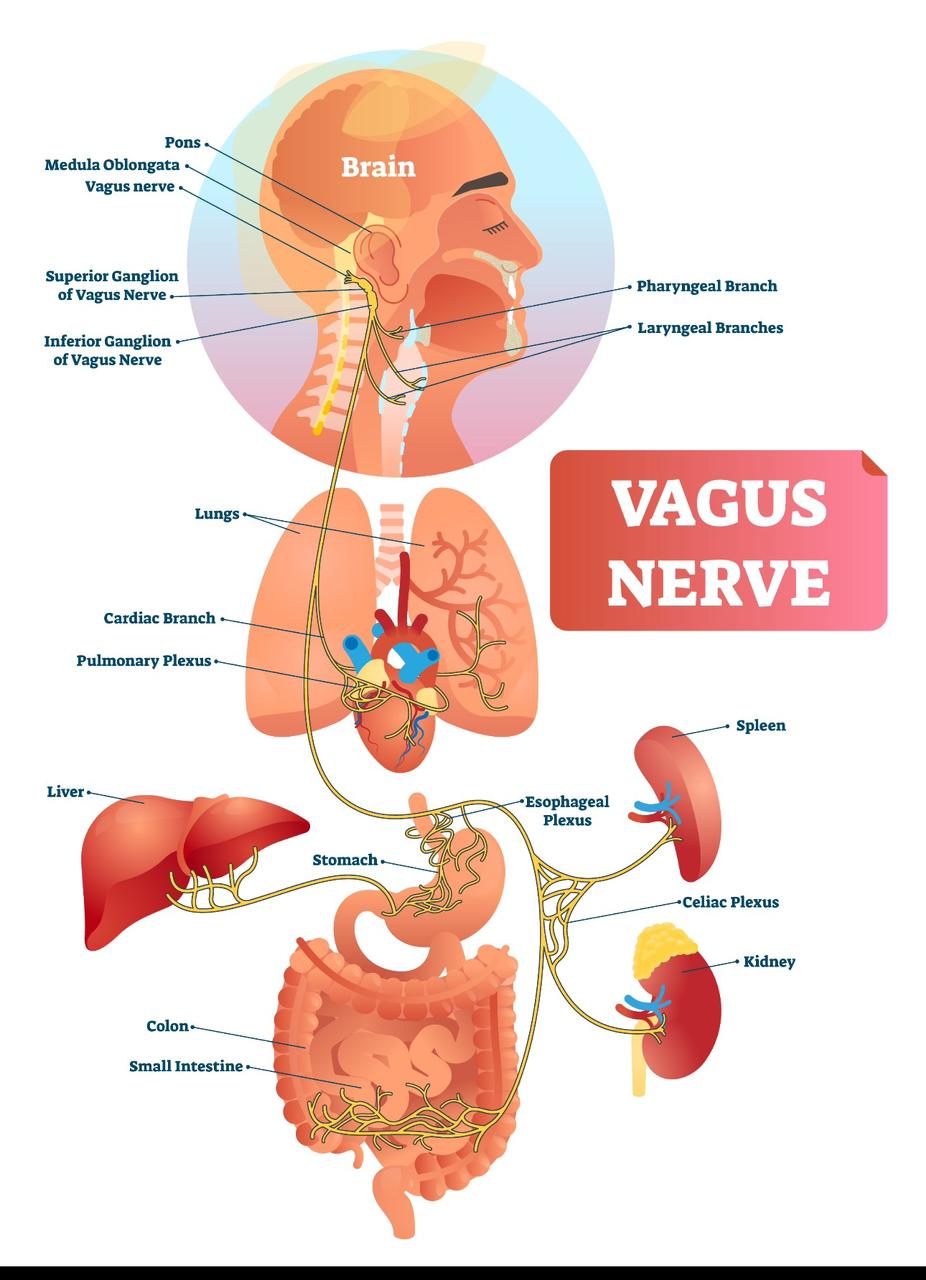
The vagus nerve is the superhighway of your calming (parasympathetic) nervous system. Cold exposure on the face or neck activates the mammalian diving reflex, which rapidly slows the heart rate and dampens stress.
How to do it
Choose one:
• Cold splash: Splash ice cold water on your face three times.
• Ice pack: Place a cold pack on your chest or the back of your neck for 30 seconds.
• Ice hold: Hold an ice cube in your hand and focus fully on the sensation.
Precautions
• Heart conditions: Sudden cold can briefly spike blood pressure—consult a doctor if you have arrhythmia or angina.
• Raynaud’s syndrome: Avoid the ice hold method.
3. Lion’s Breath (Simhasana)
Why it works
We store enormous tension in the jaw, throat, and face. Lion’s Breath physically stretches these muscles while forcefully exhaling stale air, releasing tension from the chest and activating the diaphragm.
How to do it
i. Sit comfortably and inhale deeply through your nose.
ii. Open your mouth wide.
iii. Stick your tongue out toward your chin.
iv. Exhale forcefully with a loud “HAAAA” sound.
v. Gaze upward toward your eyebrows.
Precautions
• TMJ or jaw pain: Keep the movement gentle; don’t open fully.
• Social awareness: Best done in private—this is a loud one.
4. The 5 4 3 2 1 Sensory Anchor
Why it works
Stress pulls the mind into the future (“What if?”). Engaging the senses brings the prefrontal cortex back online and anchors attention in the present moment, interrupting anxiety loops.
How to do it
Silently name:
• 5 things you see
• 4 things you feel physically
• 3 things you hear
• 2 things you smell
• 1 thing you taste (or one emotion you feel)
Precautions
• Sensory overload: If you’re already overstimulated, focus on just one sense—like pressing your feet firmly into the floor.
5. The Physiological Sigh
Why it works
Neuroscience research shows this breathing pattern opens collapsed alveoli in the lungs, allowing faster carbon dioxide release. It’s one of the most effective mechanical brakes on stress.
How to do it
i. Inhale deeply through your nose.
ii. Take a second, short “sip” of air through the nose.
iii. Exhale slowly and fully through the mouth.
iv. Repeat 2–3 times only.
Precautions
• Asthma or COPD: Perform gently.
• Dizziness: Stop immediately and return to normal breathing.
6. Doodle Chaos (The “Perfectionism Breaker”)
Why it works
Stress often comes from the need to control outcomes. Messy doodling shifts the brain from analytical mode into creative flow—without the pressure of doing it “right.”
How to do it
i. Set a timer for 60 seconds.
ii. Scribble wildly without lifting your pen.
iii. Stop when the timer ends.
iv. Find a shape in the chaos and outline or color it.
Precautions
• Wrist or hand pain: Use loose arm movements instead of tight wrist motions.
Final Thought-:
Stress doesn’t always need deep analysis—it often needs direct communication with the nervous system. These techniques work because they speak the body’s language, not just the mind’s. Use them as emergency tools, not obligations. If one doesn’t feel right, skip it. The goal isn’t perfection—it’s relief.
Important Medical Disclaimer-:
This article is for educational purposes only and does not constitute medical advice. Chronic stress, chest pain, shortness of breath, or severe anxiety may indicate underlying health conditions. Please consult a qualified medical or mental health professional when needed. Always listen to your body and stop any technique that feels uncomfortable.


8 Comments
I really appreciate content like this—it’s clear, informative, and actually helpful. Definitely worth reading!
This content is really helpful, especially for beginners like me.
Thank you for covering this so thoroughly. It helped me a lot.
Such a simple yet powerful message. Thanks for this.
This made me rethink some of my assumptions. Really valuable post.
**men balance**
MEN Balance Pro is a high-quality dietary supplement developed with research-informed support to help men maintain healthy prostate function.
**neurosharp**
Neuro Sharp is an advanced cognitive support formula designed to help you stay mentally sharp, focused, and confident throughout your day.
**back biome**
Mitolyn is a carefully developed, plant-based formula created to help support metabolic efficiency and encourage healthy, lasting weight management.